Sections
Traditional Indian Marriage: A Blend of Customs and Modernity
6 mins read.
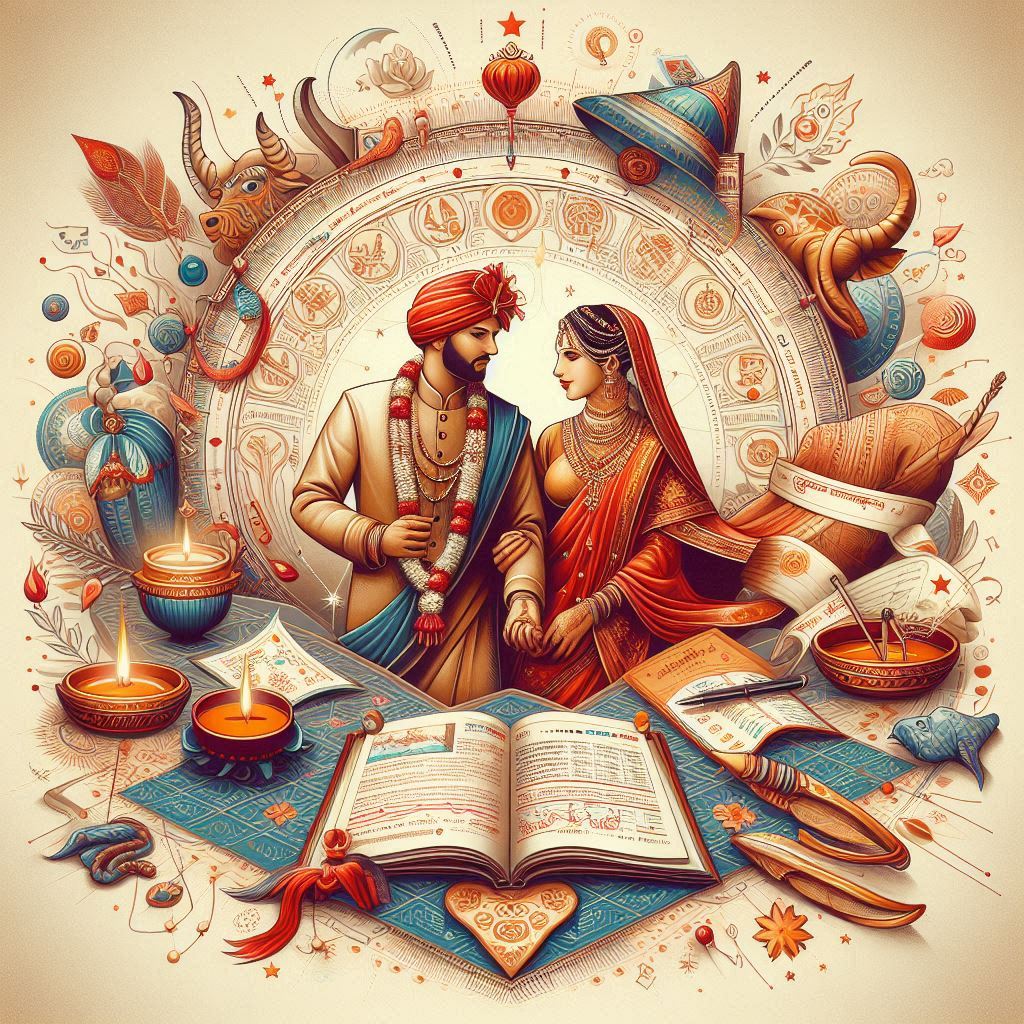
Indian marriages blend tradition with modernity, featuring elaborate ceremonies, symbolic rituals, and contemporary trends, reflecting cultural depth and evolving trends.
Pre-wedding Rituals
Traditional pre-wedding rituals include engagements, haldi, mehndi, and sangeet ceremonies, each with its own significance. The engagement marks the formal agreement between the families. The haldi ceremony involves applying turmeric paste to the bride and groom, symbolizing purification. Mehndi night is when intricate henna designs are applied to the bride's hands and feet. Sangeet is a joyous event with music and dance, celebrating the union of the two families. These rituals build anticipation and excitement leading up to the wedding day.
Wedding Ceremonies
The wedding day features various rituals such as Kanyadaan, Saptapadi, and Mangal Pheras, performed in the presence of family and friends. Kanyadaan involves the bride's father giving her away to the groom, symbolizing the transfer of responsibility. Saptapadi, or the seven steps, is a pivotal ritual where the couple takes seven vows around the sacred fire, promising to support each other. Mangal Pheras are the four rounds around the fire, representing the four goals of life. These rituals are deeply symbolic and form the core of the wedding ceremony.
Post-wedding Traditions
Post-wedding traditions like Vidaai and Grihapravesh are emotional moments marking the bride’s transition into her new family. Vidaai is the farewell ceremony where the bride leaves her parental home, symbolizing the beginning of her new life. Grihapravesh is the welcoming ceremony at the groom's house, where the bride is received with rituals to mark her entry into her new home. These traditions underscore the emotional and cultural significance of marriage, emphasizing the blending of two families and the beginning of a new journey together.
Modern Influences
Contemporary trends include destination weddings, themed décor, and the incorporation of Western elements into traditional ceremonies. Destination weddings are popular for their scenic locales and intimate settings. Themed décor allows couples to personalize their weddings, reflecting their tastes and preferences. Western influences can be seen in aspects like bridal gowns, cocktail parties, and fusion cuisine. These modern touches add a fresh dimension to traditional weddings, making them unique and memorable while respecting cultural heritage.
Cultural Significance
Despite modern influences, the cultural significance and essence of Indian weddings remain deeply rooted in traditions and family values. The rituals and ceremonies are not just about the union of two individuals but also the coming together of two families. The elaborate customs, vibrant celebrations, and deep-rooted symbolism reflect the rich cultural heritage of India. These traditions are passed down through generations, ensuring that the essence of Indian weddings is preserved even as they evolve with changing times.